
Our team's experience
Our team has extensive experience in conducting technical and economic studies to ensure the reliable operation of Kazakhstan's Unified Energy System (UES). We focus on analyzing and developing solutions for the energy system, integrating its regions, and strengthening infrastructure. This includes calculations, development of frequency regulation and planning principles, as well as proposals for emergency automation systems (EAS).
Our specialists have successfully completed more than 10 wind measurement campaigns in Central Asia, strictly adhering to MEASNET and ISO standards.
We conduct an in-depth analysis of existing energy systems, applying international standards and new technologies. Our research provides optimization and improvement of energy systems, ensuring sustainability and efficiency in the modern energy paradigm.
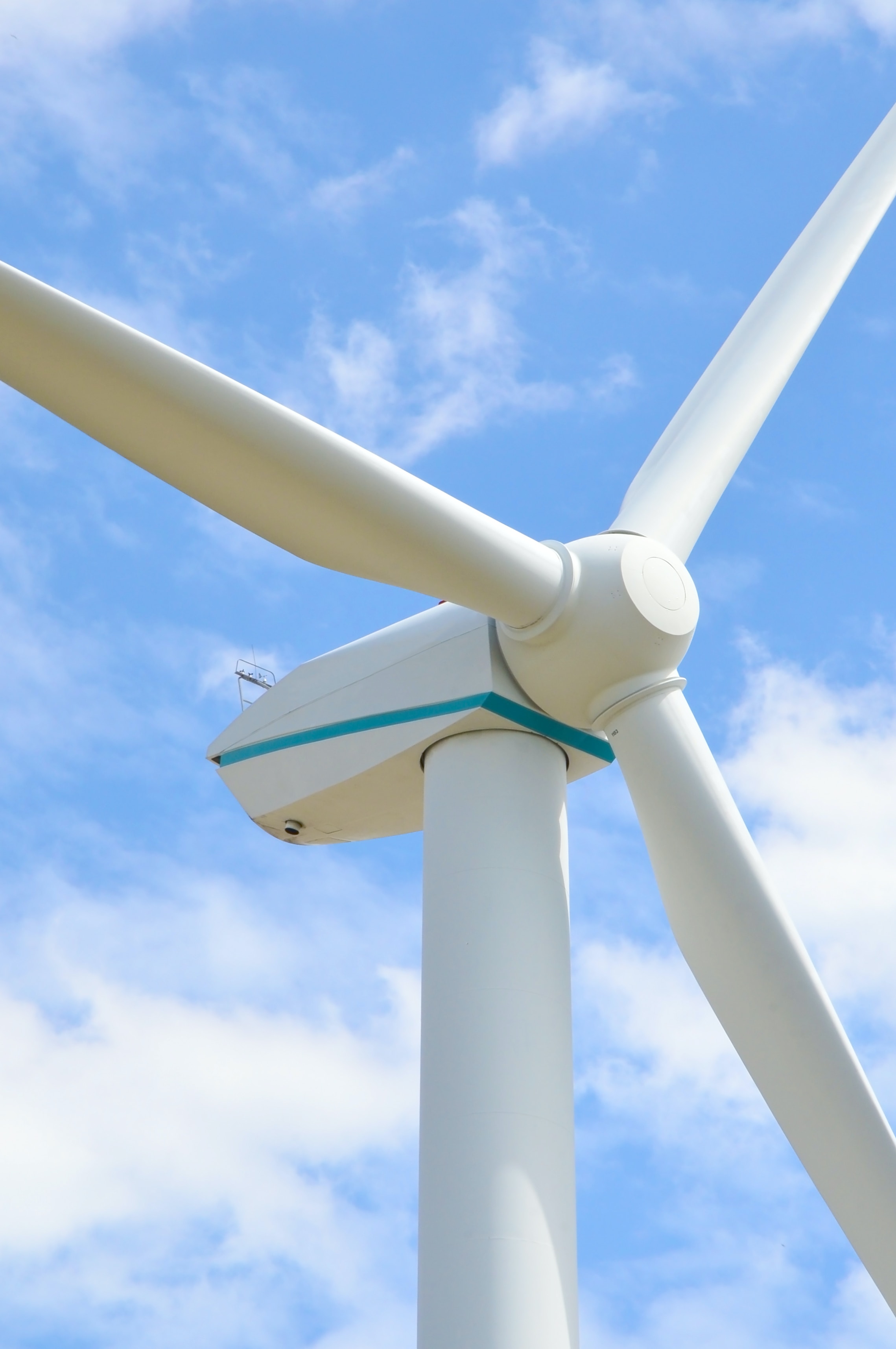
The goal of the work is to identify potential connection points for wind and solar power plants (WPP and SPP) with the best wind and solar resources.
Identify at least 6 connection points with the best technical and economic indicators in the Southern and Northern zones of Kazakhstan's Unified Energy System (UES).
Create a network model based on current data under maximum system load.
Conduct comprehensive calculations using WindPro software.Creation of grid model based on the latest data of maximum system load;
Creation of a wind farm model based on the wind turbines;Load flow analysis ;
Calculation of short circuit currents;Analysis of voltage levels and overloads;
Report and recommendations.
Analysis and assessment of the current state and development prospects of Astana in the context of the overall development of Kazakhstan's Unified Power System (UPS);
Comparison and selection of the optimal option from at least three alternative schemes for reinforcing Astana’s external power supply;
Calculation of power plant operation modes under winter peak and summer minimum loads, taking into account the future development of generation capacities and power grid infrastructure in Akmola region and Astana;
Analysis of the development prospects of generation capacities and power grid facilities in the Northern zone of Kazakhstan’s UPS, specifically in Akmola region and Astana;
Calculation of power losses for the recommended option and evaluation of their impact on the choice of the recommended grid configuration.
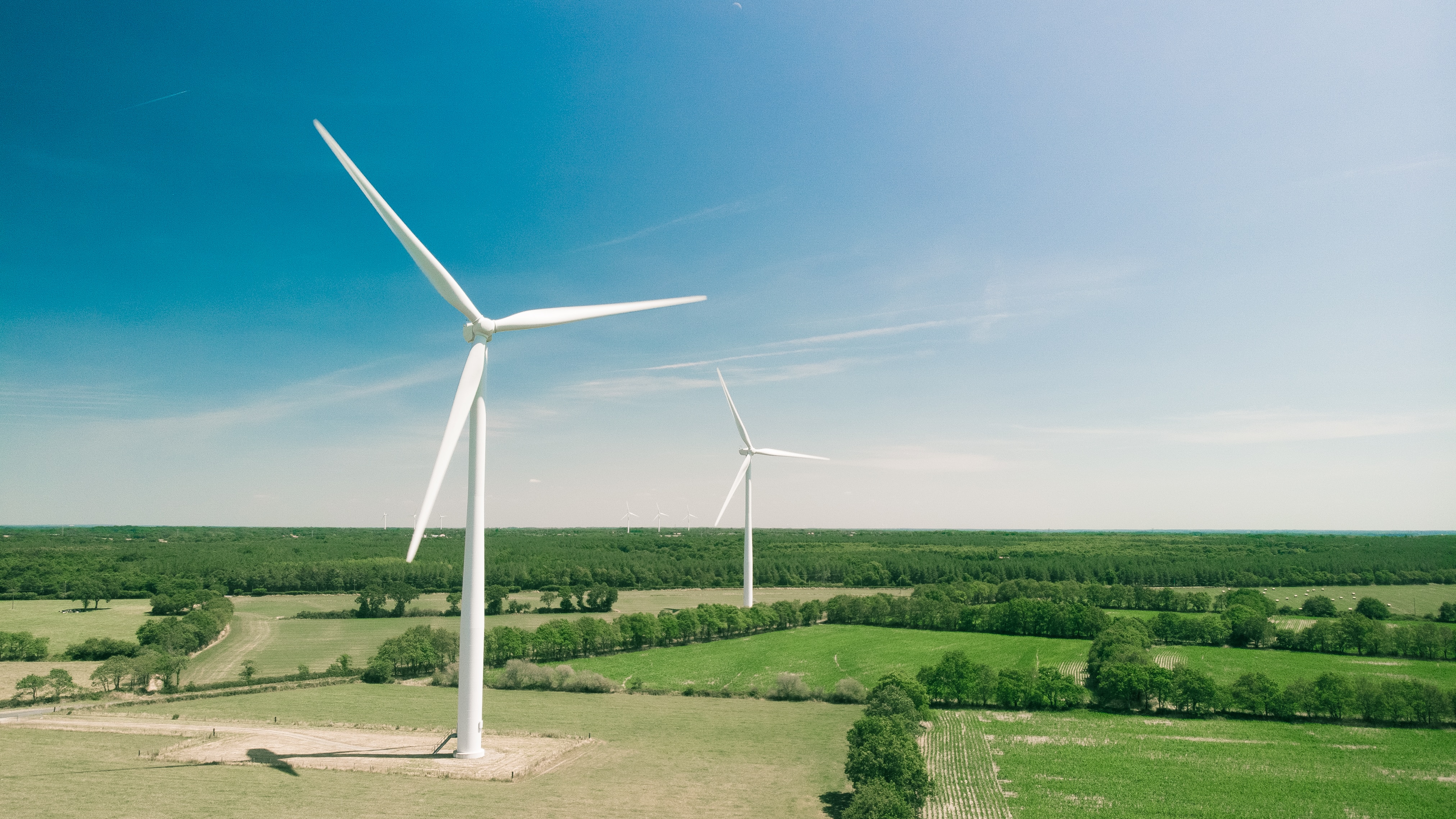
Development of solutions and implementation locations for emergency automation (EA) systems;
Creation of a network mathematical model based on the latest data under maximum and minimum system loads;
Short-circuit current calculations;
Analysis of WPP operating modes within the energy system;Analysis of voltage levels and overloads;
Report and recommendations.
Analysis and assessment of the current state of the Western zone and adjacent regions of the UES of Kazakhstan.
Electricity and capacity balances by regions (for the last 10 years);
Generating capacities (installed/available capacity, technical condition - capacity limitations, reserves);
Determination of the best options for consolidation, and the volume of construction.
Development of solutions and implementation locations for emergency automation (EA) systems;
Creation of a network mathematical model based on the latest data under maximum and minimum system loads;
Short-circuit current calculations;
Analysis of WPP operating modes within the energy system;
Analysis of voltage levels and overloads;
Report and recommendations.
Review of the existing power supply system;
Justification and development of power output scheme options;
Electrical mode calculations (normal and post-emergency modes) for the considered area and adjacent electrical networks;
Short-circuit current calculation for equipment selection;
Development of principles for relay protection and automation, emergency automation.
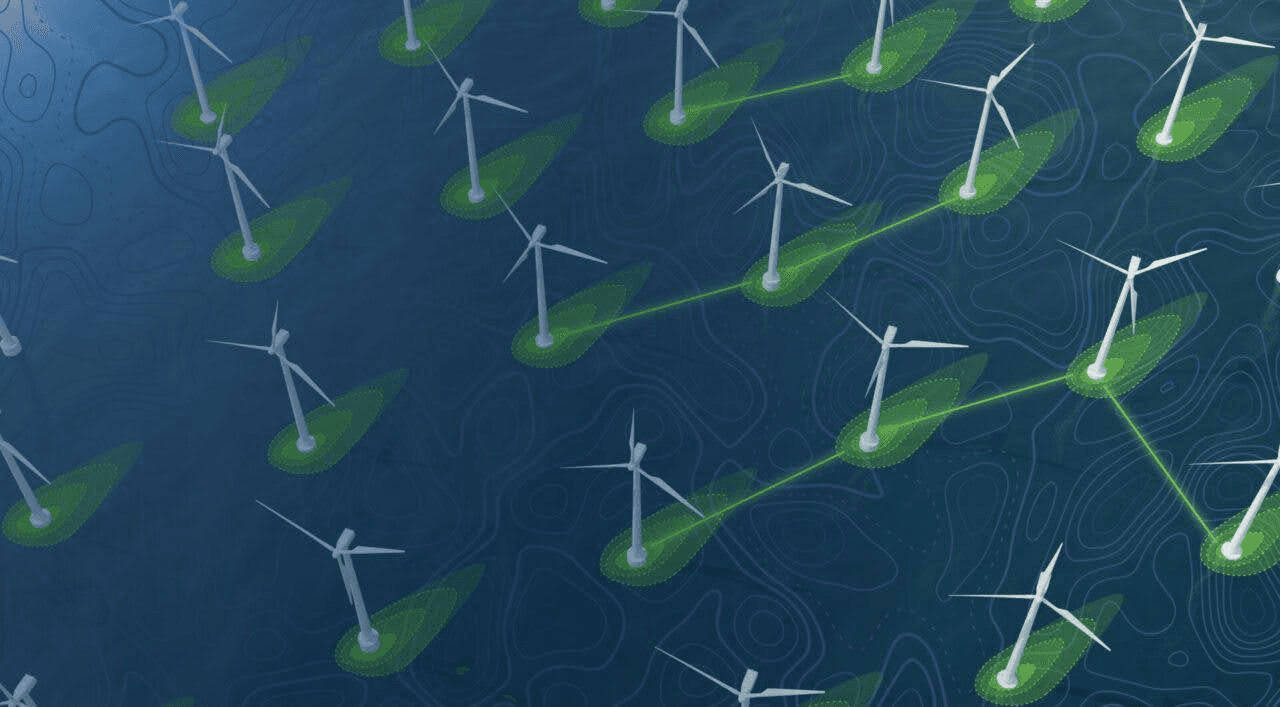
Creation of a calculation model for the WPP;
Analysis of normal and emergency operating modes under maximum and minimum loads;
Dynamic stability calculations;
Determination of reactive power compensation device capacity;
Development of a relay protection section;
Development of an emergency automation section;
Coordination of the WPP model with the system operator of Kazakhstan's Unified Energy System (UES).
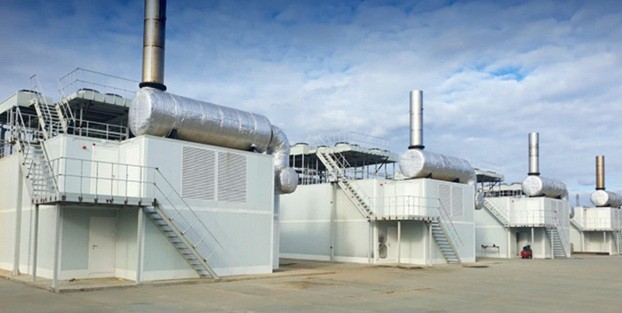
Design of the GPPP substation, including coordination with the Department of Electrification and Energy;
Coordination of technical specifications with the Aktobe MES branch of JSC “KEGOC”;
Installation of gas-insulated circuit breakers at the GPPP substation with full 10 kV line protection;
Evaluation of the need for shunt reactors in the project to maintain permissible voltage levels;
Incorporation of system operator requirements to ensure stable operation of the GPPP.
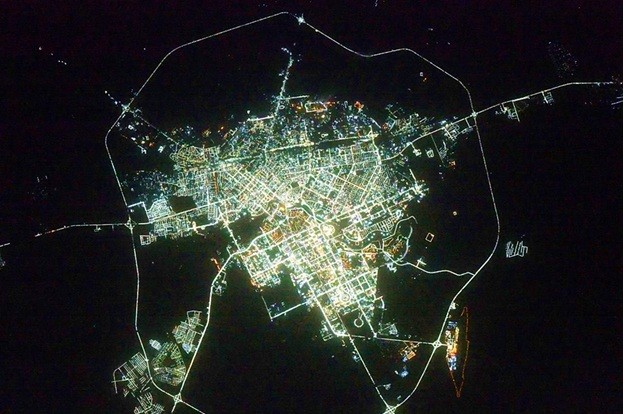
Calculation of electric loads for housing and utilities, administrative sector, industry, transport, and other consumers for both the current and prospective periods;
Forecast of electric load growth by districts of the city, taking into account long-term development plans;
Development of load distribution maps for planning periods;
Determination of actual power consumption, energy losses, and network conditions for each district;
Calculation of short-circuit currents and analysis of the results. Forecasting and proposals for the development of the power supply system: consideration of possible options for meeting the projected loads at power supply centers for each planning stage;
Recommendations for reducing power losses and improving energy efficiency.
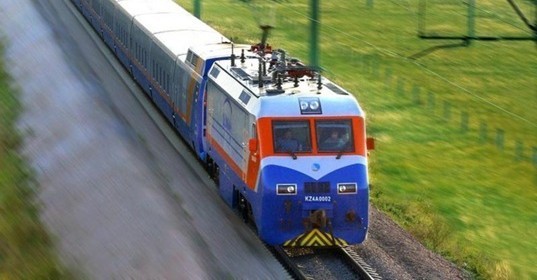
Methodology for determining electric power losses in 0.4 kV, 6–10 kV, and 27.5–220 kV voltage networks;
Calculation and analysis of electric power losses in 0.4 kV, 6–10 kV, and 27.5–220 kV voltage networks;
Development of energy flow balance for 0.4 kV, 6–10 kV, and 27.5–220 kV electric networks;
Explanatory note for the calculations and forecasting of loss levels;
Forecasting of electric power loss levels for the years 2026–2030;
Methodology for calculating the permissible energy imbalance in electric networks;
Determination of maximum measurement error of metering systems and calculated permissible energy imbalance in electric networks of the power supply divisions of JSC “NC “KTZ”;
Evaluation of permissible energy imbalance caused by standardized measurement errors.

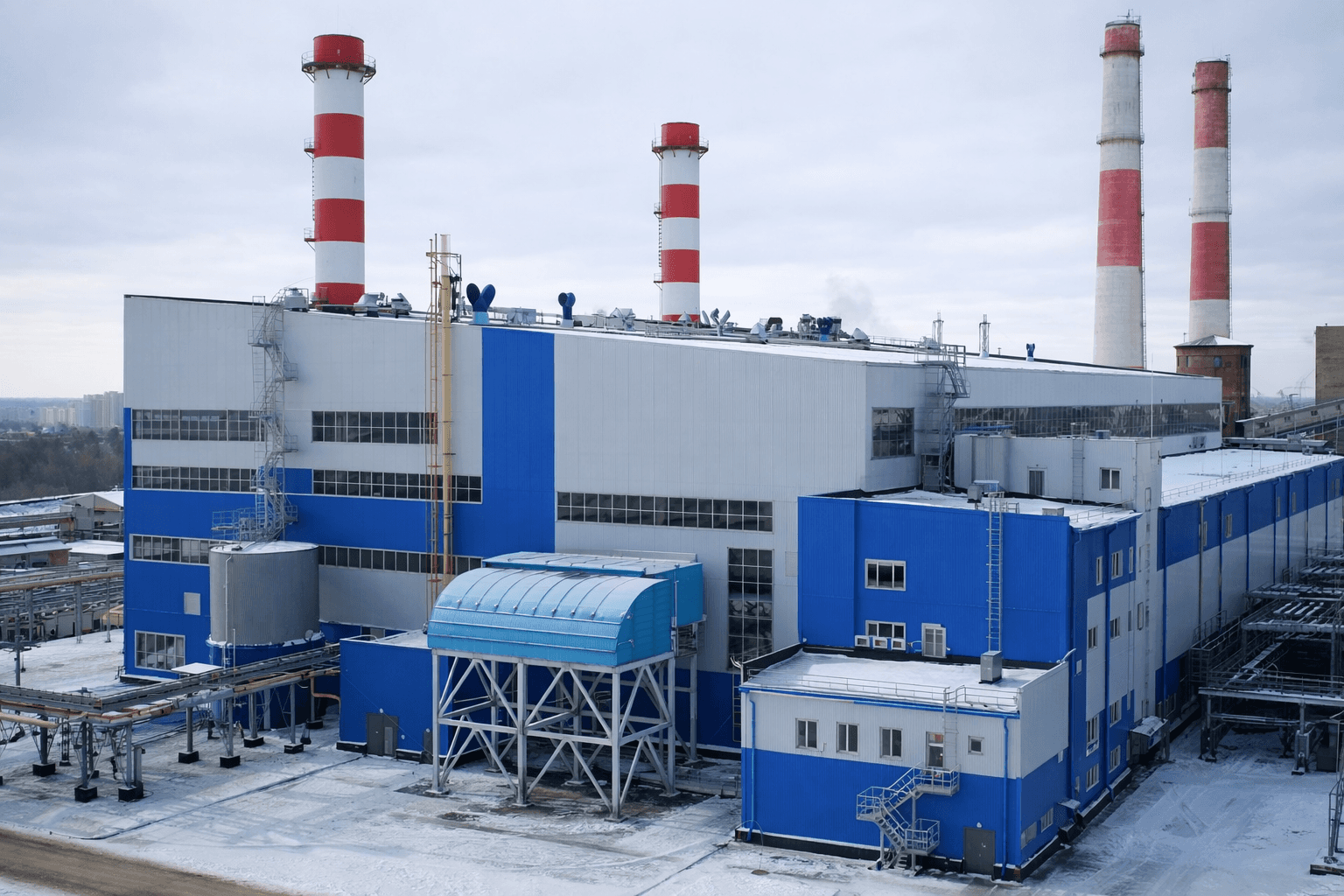
· Analysis of the current state of the regional electric grid;
· Assessment of the 220/110 kV network capacity of relevant network organizations;
· Development and comparison of CCGT connection scheme options to the power system;
· Preparation of recommendations on strengthening and upgrading 220/110 kV networks for reliable reception of 250 MW power;
· Performing dynamic stability calculations for planned operating modes;
· Development of recommendations for the implementation and configuration of emergency automation (PA).
· Coordination of the power distribution scheme with KEGOC JSC.
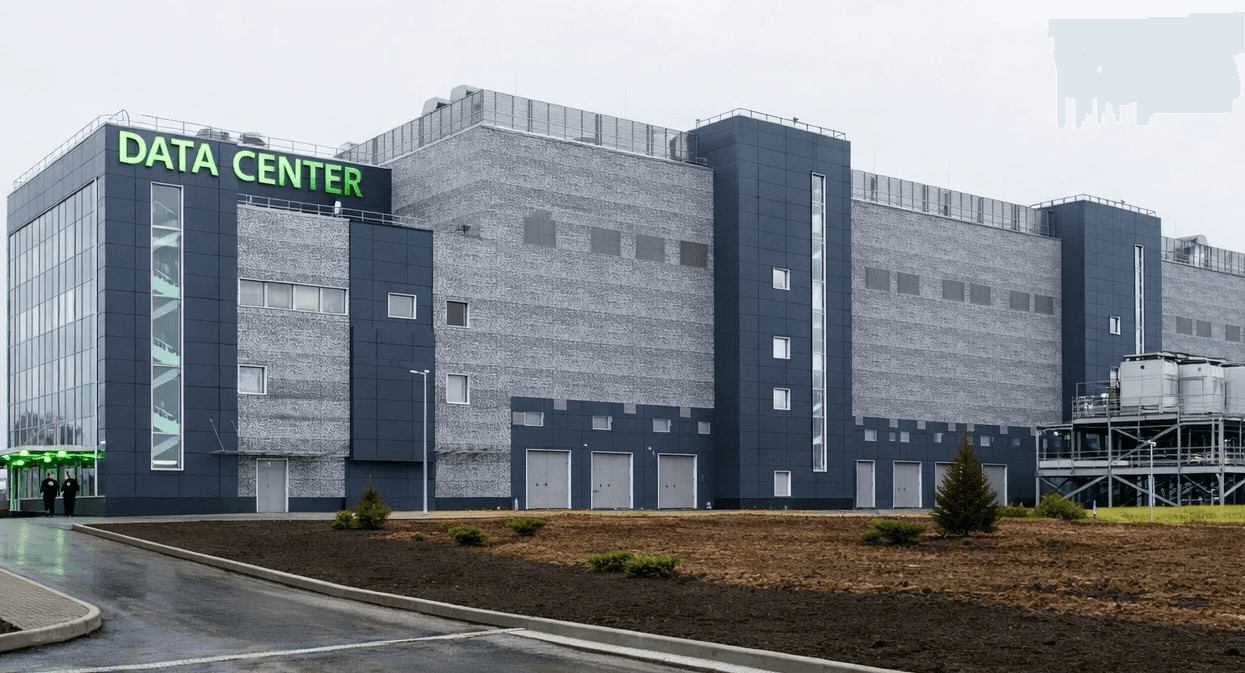
· Analysis of the current state of regional power transmission and distribution networks;
· Assessment of the available bandwidth and reliability of 220/110/35 kV networks for data center power supply;
· Development and comparison of connection options to an external electrical network;
· Preparation of recommendations on the necessary strengthening or modernization of 220/110/35 kV networks to ensure uninterrupted and reliable power supply;
· Carrying out calculations of steady-state modes and short-circuit currents for planned and emergency operation modes;
· Development of measures for emergency automation (PA) and coordination of protection measures to ensure the stability of the energy system;
· Coordination of the external power supply scheme with the regional grid company and KEGOC JSC.
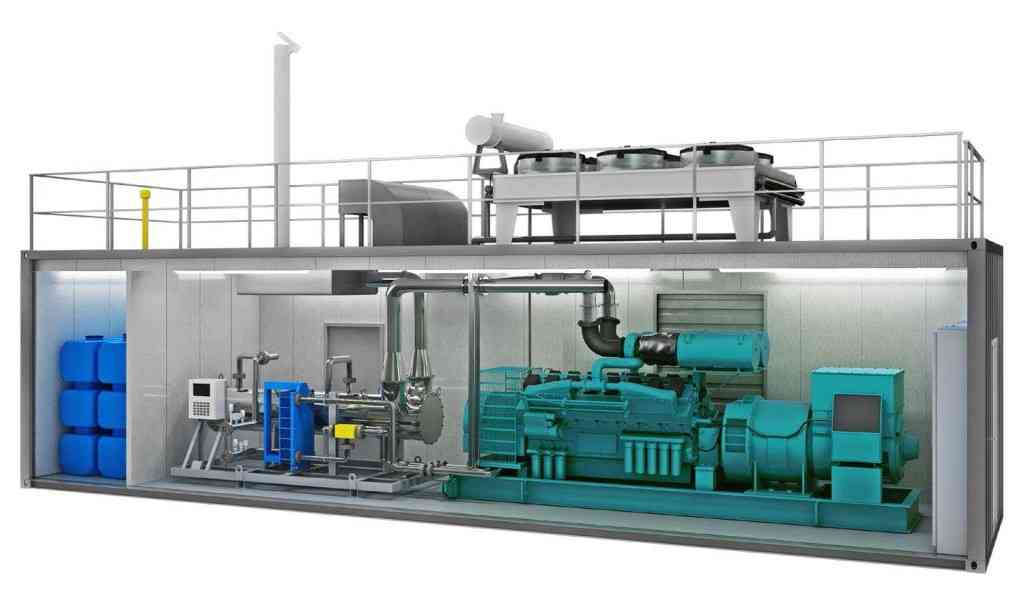
· Analysis of the current state of the local and regional electric grid;
· Estimation of 110/35 kV network capacity, related to the field area;
· Development and comparison of connection schemes for GPP with a capacity of 30 MW;
· Preparation of recommendations for strengthening or upgrading adjacent 110/35 kV networks for reliable integration of generating capacity;
· Carrying out calculations of dynamic stability and steady-state operation modes;
· Development of recommendations on the implementation of emergency automation (PA) to ensure reliable operation;
· Coordination of the power distribution scheme with the regional grid company and KEGOC JSC.